Comprehensive Car Parts FAQ: Your Guide to Auto Parts Online

When it comes to maintaining or repairing a vehicle, understanding auto parts is essential. I often find that many car owners and enthusiasts have questions about the types, quality, and sourcing of car parts. This guide aims to answer common questions clearly and directly. It will help you make informed decisions when shopping for parts online or offline.
Common Questions in the Car Parts FAQ
Many people ask about the basics of car parts. Here are some of the most frequent questions and straightforward answers:
What are the main categories of auto parts?
Auto parts generally fall into these categories:
Engine components (spark plugs, filters, belts)
Braking system parts (pads, rotors, calipers)
Suspension and steering (shocks, struts, tie rods)
Electrical parts (batteries, alternators, sensors)
Body parts (mirrors, bumpers, lights)
How do I know if a part fits my car?
Always check your vehicle’s make, model, year, and engine type. Most online stores provide filters to narrow down parts compatible with your car. Using your car’s VIN (Vehicle Identification Number) can also help ensure accuracy.
Are aftermarket parts reliable?
Aftermarket parts can be reliable if sourced from reputable manufacturers. They often cost less than original equipment manufacturer (OEM) parts but vary in quality. Look for warranties and customer reviews before purchasing.
How can I identify a quality auto part?
Quality parts usually have certifications or meet industry standards. Check for ISO certifications or compliance with local regulations. Packaging and branding can also indicate authenticity.
What is the difference between OEM and aftermarket parts?
OEM parts are made by the vehicle’s manufacturer or an authorized supplier. Aftermarket parts are produced by third-party companies. OEM parts typically guarantee fit and performance but cost more.
Detailed Car Parts FAQ for Better Understanding
Understanding the technical details can help you avoid mistakes and save money. Here are some in-depth explanations:
How often should I replace common parts?
Brake pads: Every 30,000 to 70,000 km depending on driving style.
Air filters: Every 15,000 to 30,000 km.
Spark plugs: Every 30,000 to 50,000 km.
Timing belts: Usually every 60,000 to 100,000 km.
Regular maintenance schedules are available in your car’s manual. Following them prevents breakdowns and costly repairs.
Can I install parts myself?
Some parts like air filters, wiper blades, and batteries are easy to replace. More complex parts such as brake systems or engine components require professional skills and tools. Incorrect installation can cause damage or safety issues.
What should I do if a part is out of stock?
Check multiple suppliers or consider compatible aftermarket parts. Some parts may have updated versions or equivalents that fit your vehicle. Always verify compatibility before buying.
How do I verify the authenticity of a part bought online?
Buy from trusted websites with clear return policies. Check for security seals, serial numbers, and manufacturer details. If the price is too low, be cautious of counterfeit products.
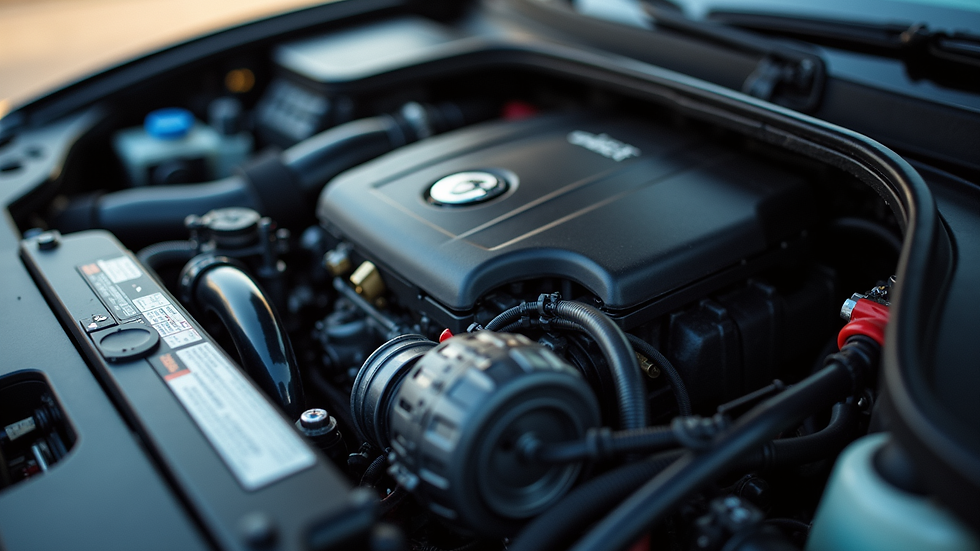
Close-up view of car engine components showing belts and filters
What's the Best Site to Order Auto Parts?
Choosing the right online store is crucial for a smooth buying experience. Here are some factors to consider:
Wide selection: The site should offer a broad range of parts for different makes and models.
Detailed product information: Clear descriptions, specifications, and compatibility details help avoid errors.
Customer support: Access to knowledgeable support can assist with questions or issues.
Secure payment options: Look for encrypted checkout and multiple payment methods.
Delivery and return policies: Fast shipping and easy returns improve convenience.
Many online shops cater specifically to the Romanian and European markets, offering local shipping and support. This reduces delivery times and import complications.

Eye-level view of a warehouse with auto parts shelves neatly organized
Tips for Buying Auto Parts Online Safely
Buying auto parts online can be efficient and cost-effective if you follow these tips:
Research the part number: Use your car’s manual or online databases to find the exact part number.
Compare prices: Check multiple sites to find the best deal but avoid suspiciously low prices.
Read reviews: Customer feedback can reveal product quality and seller reliability.
Check shipping costs: Sometimes shipping fees can offset savings on the part price.
Understand the return policy: Know the conditions for returns or exchanges before purchasing.
Using a trusted resource like an auto parts faq online can provide additional guidance and answers to specific questions.
How to Maintain Your Car Parts for Longevity
Proper maintenance extends the life of your car parts and improves vehicle performance. Here are some practical recommendations:
Regular inspections: Check parts like brakes, tires, and belts for wear and tear.
Timely replacements: Don’t delay replacing worn parts to avoid damage to other components.
Use quality fluids: Engine oil, brake fluid, and coolant should meet manufacturer specifications.
Keep parts clean: Dirt and debris can cause premature wear, especially in filters and brakes.
Follow service schedules: Adhere to the maintenance intervals recommended by your car’s manufacturer.
Taking these steps helps you avoid unexpected breakdowns and costly repairs.
Understanding Warranty and Return Policies for Auto Parts
When buying auto parts, warranty and return policies are important to consider:
Warranty coverage: Check what the warranty covers and for how long. Some parts have limited warranties only for defects.
Return conditions: Understand if the part can be returned if it does not fit or is defective.
Restocking fees: Some sellers charge fees for returns, so clarify this before ordering.
Documentation: Keep receipts and warranty cards for claims or returns.
Knowing these details protects your investment and ensures you get the right part.
Final Thoughts on Auto Parts Shopping
Buying auto parts requires attention to detail and reliable information. By understanding the basics, knowing where to shop, and following maintenance tips, you can keep your vehicle in good condition. Using resources like an auto parts faq online helps answer questions and guides you through the process. Always prioritize quality and compatibility to ensure safety and performance.
This approach makes it easier to maintain your car and enjoy a smooth driving experience.


Comments